


 اختر منطقتك
  حالة الطقس
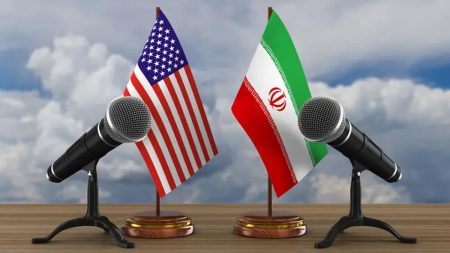
The Middle East is once again on edge, with speculation rife about a potential war between Israel and Iran. Recent reports from Israeli media indicate that Israel has elevated its alert status to its highest level, bracing for the possibility of renewed military operations. This escalation follows a surge in regional security tensions, particularly around the strategically vital Strait of Hormuz, and coincides with a joint recommendation from the Israeli military and the Mossad to the political leadership urging an resumption of military action. The situation is further complicated by the presence of approximately 6,000 American soldiers and security personnel within Israel, highlighting the deep level of coordination between Tel Aviv and Washington.
Roots of Tension: The Historical Context of Regional Power Struggles
The current tensions are by no means new; they are the culmination of a protracted and complex conflict spanning decades between the two nations. Historically, confrontations have largely taken the form of a “shadow war,” encompassing cyberattacks, intelligence operations, and reciprocal targeting of interests in the waters of the Gulf and the wider Middle East. Israel views Iran’s nuclear program and its expanding regional influence as existential threats, while Tehran perceives the Israeli and American presence in the region as a danger to its national security. This highly charged historical context makes any military friction, especially in vital waterways like the Strait of Hormuz, a potential spark that could ignite the entire region and draw international players into the fray.
Scenarios of an Israel-Iran War: An Expanding Target Bank and US Coordination
The Israeli news site “Walla” quoted a senior security source confirming that various scenarios and comprehensive defense and attack plans have already been presented to the political level. The source pointed out that the bank of targets within Iranian territory is expanding and being updated daily. While there have been periods of ceasefire, assessments of the situation and security meetings between the Israeli military and the U.S. Central Command (CENTCOM) are held regularly and intensively.
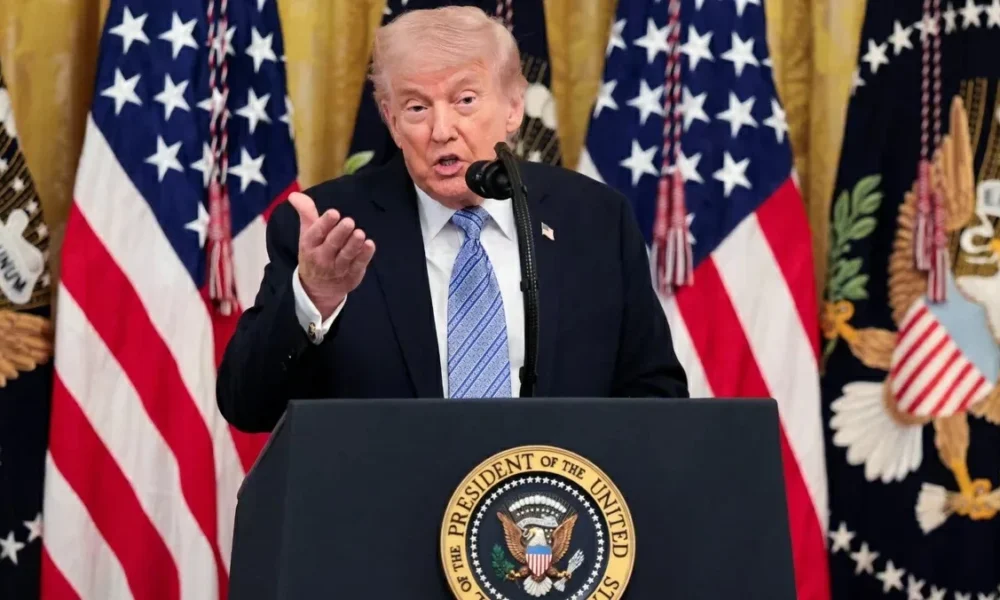
For its part, the Israeli Broadcasting Authority reported that Tel Aviv has raised its alert level and is awaiting a green light from Washington to initiate any military moves. Military sources have asserted immediate readiness to respond to any Iranian attack amidst the accelerating escalation in the Gulf region. The sources added that the U.S. operation to secure the Strait of Hormuz has been fully coordinated with Israel, suggesting that these recent developments might push U.S. President Donald Trump to make decisive decisions regarding the resumption of military action against Iran. This coordination was evident in the observed unusual activity of U.S. warplanes and refueling aircraft in Israeli airspace, particularly over Jerusalem, since the beginning of the week.
Anticipated Repercussions: Domestic Alert and Broad International Impact
On the domestic front, Israel’s home front is experiencing a state of maximum alert in anticipation of any retaliatory strikes. In this regard, several Israeli cities and towns have begun their practical preparations. Field reports revealed that the cities of Rishon LeZion and Ashdod have opened public shelters for residents, while the coastal city of Haifa is witnessing similar security preparations and measures to ensure civilian safety in the event of a full-scale confrontation.
Regionally and internationally, the significance of this event lies in its direct impact on global maritime security and energy supplies. Any military escalation in the Strait of Hormuz, through which a significant portion of global oil supplies passes, will inevitably lead to global economic crises and a sharp rise in energy prices. Furthermore, the involvement of major powers like the United States in this conflict increases the likelihood of the confrontation devolving into an international crisis requiring urgent diplomatic intervention to prevent the Middle East from sliding into a devastating regional war with dire consequences.
The complex interplay of historical grievances, regional power dynamics, and immediate security concerns has brought the prospect of a direct confrontation between Israel and Iran to a critical juncture. The close coordination with the United States underscores the potential for a wider international dimension should tensions boil over into open conflict. The world is watching closely, deeply aware of the profound global implications that any military engagement in this volatile region would entail, particularly concerning energy security and regional stability.
As the situation continues to evolve, it is crucial for all parties to exercise restraint and pursue diplomatic solutions to de-escalate tensions and avert a catastrophic conflict. Stay informed about these crucial developments and their impact on global affairs.