



 اختر منطقتك
  حالة الطقس
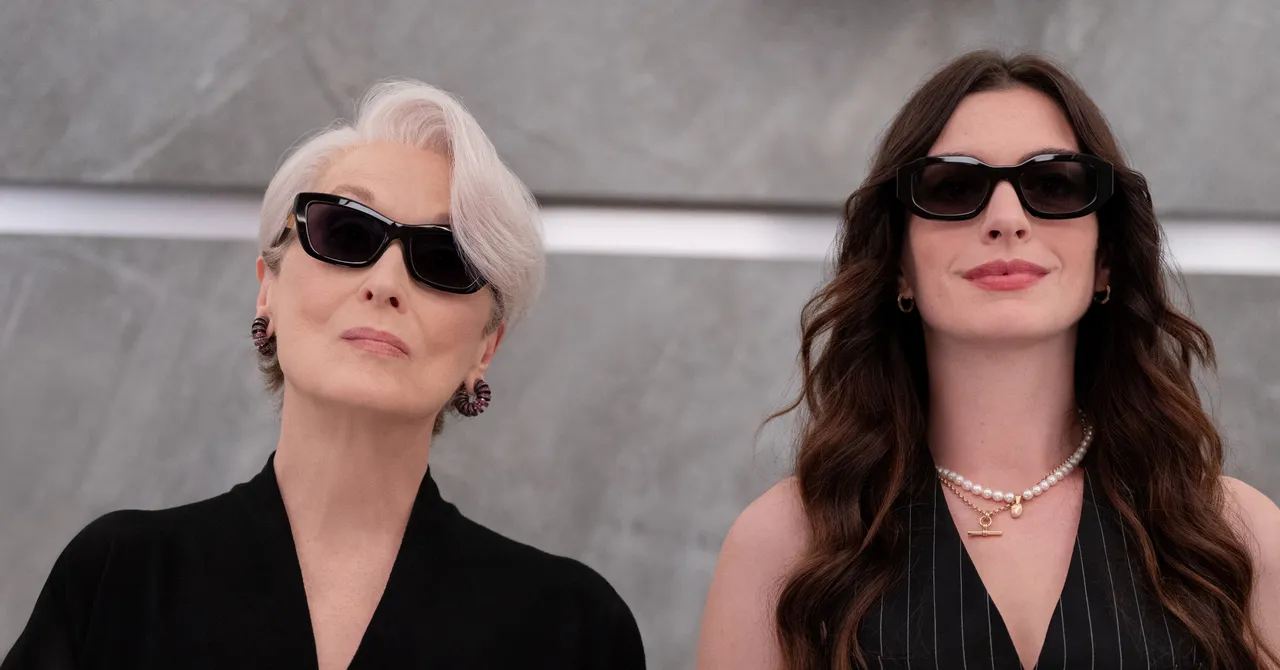
The Devil Wears Prada 2, the highly anticipated sequel two decades after the original cult classic, has achieved remarkable commercial success, grossing $77 million domestically and an additional $157 million worldwide since its April 29 release. This box office triumph has ignited widespread discussions regarding the film’s quality and its comparison to the beloved first installment. In Italy specifically, the debate has centered intensely on the film’s dubbing choices.
The controversy surrounding the Italian version of The Devil Wears Prada 2 stems from the decision to retain the original voice cast. Esteemed dubbing actors like Connie Bismuto (voicing Anne Hathaway as Andy), Francesca Manicone (Emily Blunt as Emily), Gabriele Lavia (Stanley Tucci as Nigel), and most notably, Maria Pia Di Meo, the long-standing voice of Meryl Streep in Italian cinema, have all returned. While many fans welcomed the familiarity of these voices, a segment of the audience has voiced concerns regarding perceived vocal discrepancies, particularly related to the advanced age of some actors.
جدل الدبلجة الإيطالية لفيلم The Devil Wears Prada 2
Maria Pia Di Meo, born in 1939, is renowned as a master of Italian dubbing, lending her distinctive voice to iconic actresses such as Jane Fonda, Julie Andrews, Mia Farrow, Barbra Streisand, and Meryl Streep for decades. Her performances have solidified her as one of the most recognizable and expressive voices in Italian cinema. However, some Italian viewers have noted that her current vocal performance in The Devil Wears Prada 2 reflects the passage of time, creating a perceived disconnect between her 87-year-old voice and the energetic persona of Miranda Priestly, a character portrayed by a 76-year-old Meryl Streep in the original film.
A similar sentiment has been expressed regarding Gabriele Lavia’s dubbing of Stanley Tucci, with some critics finding the delivery to be somewhat strained. Beyond the age of individual voice actors, the situation has prompted a broader conversation about the state of dubbing in Italy. The rise of digital downloads and streaming platforms has accustomed audiences to consuming content in its original language, raising questions about the continued relevance and effectiveness of extensive dubbing practices.
تحديات الحداثة وتأثير العولمة على الدبلجة
Upon listening to trailers for The Devil Wears Prada 2, native Italian speakers can reportedly discern not only the age-related nuances in the voices but also a rapid pace of dialogue that can make it challenging to follow. Furthermore, the adaptation of cultural references has come under scrutiny. For instance, Andy’s proud declaration of being a “features editor” at Runway might not resonate with those unfamiliar with the specific terminology of newsroom roles. Similarly, the reference to a “venti” Starbucks drink by Miranda’s assistant may not be universally understood by an Italian audience.
These observations suggest that the challenge may lie less with the individual skill of the dubbing artists and more with a dubbing system that struggles to keep pace with the speed and cultural specificity of contemporary content production. Despite these evolving consumption habits, it remains a significant reality that a substantial portion of the Italian audience, particularly in cinema theaters, still prefers and opts for dubbed versions of films.
The ongoing online debates serve as a valuable platform for drawing attention to the experiences of audiences in countries outside of the United States, highlighting the complexities and considerations involved in distributing films globally. This conversation underscores the importance of not only respecting these diverse markets but also ensuring a quality of presentation, including dubbing, that remains high, even amidst the rapid production cycles of modern entertainment.
Looking ahead, the continued success of The Devil Wears Prada 2 at the box office will likely fuel further discussions on the enduring appeal of its specific brand of fashion-based drama and the methods by which it is delivered to international audiences. The future for dubbing practices in Italy, particularly in light of these debates, remains an area to watch, as consumer preferences and technological advancements continue to shape the landscape of film consumption.